Showing posts with label Books. Show all posts

Friday, August 11, 2017

"துளிர்"க்கட்டும் அறிவியல் ஆர்வம்

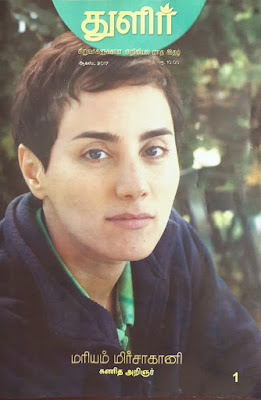
உங்கள் வீட்டில் உள்ள குழந்தைகள் முதல் வயது முதிர்ந்தோர்வரை அனைவரும் அறிவியல் ஆர்வம் பெற்றிருப்பது இன்றைய சூழலில் மிக முக்கியமான ஒன்று. ஆனால் சமூக வலைத்தளங்களாகட்டும், தொலைக்காட்சியாகட்டும், அச்சு ஊடகங்களாகட்டும், எங்கு திரும்பினாலும் போலி அறிவியலின் தாக்குதல் எட்டுத்திக்கும் இருந்து சீறிப்பாய்கிறது. திரைப்படங்களைச் சொல்லவே வேண்டாம். "மனிதனின் சராசரி ஆயுள்காலம் 300 வருடம்" என்றெல்லாம் வசனம் பேசி கைதட்டலும் காசும் சம்பாதித்துவிட்டு அவர்கள் தப்பித்துவிடுகிறார்கள், பார்க்கும் நம் மக்களோ அறிவைத்தொலைத்துவிட்டு மூடமயக்கத்தில் தடுமாறுகிறார்கள். அறிவியல் பற்றிய பத்திரிக்கைகள் வெகு சிலவே கிடைக்கின்றன. அவற்றில் பெரும்பாலானவை விலை அதிகமுள்ளவையாகவும், ஆங்கிலப் பாதிப்புகளாகவும் உள்ளன. தமிழில் ஒரு நல்ல அறிவியல் பத்திரிகை இருந்தால்? அதுவும் அது குறைந்தவிலையில் எல்லோரும் வாங்கிப் பயன்பெறும் வகையில் இருந்தால்? எவ்வளவு நன்றாக இருக்கும்?
அப்படி ஒரு மாத இதழ் இருக்கிறது! தமிழ்நாடு மற்றும் புதுவை அறிவியல் இயக்கங்கள் இணைந்து வெளியிடும் இந்த மாத இதழ், "துளிர்" என்ற பெயரில் வெளிவருகிறது. இதழ் ஒன்றுக்கு 10 ரூபாய் என்கிற நம்பமுடியாத விலையில் கிடைக்கிறது. வெறும் 100 ரூபாய் சந்தா செலுத்தினால் ஒரு ஆண்டு முழுவதும் உங்கள் வீடு தேடியே வரும்! சற்று சிந்தித்துப்பாருங்கள். ஒரு திரைப்படம் பார்க்க இதைவிட அதிகம் செலவாகும். ஒரு சின்ன பொம்மை இதைவிட அதிக விலை இருக்கும். உங்கள் வீட்டுக் குழந்தைகளுக்கோ, அல்லது உங்கள் உறவினர்/நண்பர்கள் வீட்டுக் குழந்தைகளுக்கோ ஒருவருட சந்தாவைக் கட்டி அவர்கள் வீடுதேடி இவ்விதழ் மாதம்தோறும் வரும்வகையில் ஒரு அன்பளிப்பைத் தரலாம். நீங்களும் இவ்விதழை தொடர்ந்து வாசிப்பதன் மூலம் உங்கள் அறிவியல் அறிவை கூர்மையாக வைத்துக்கொள்ளலாம்.

பள்ளியில் படிக்கும் அறிவியல் கருத்துக்கள் சரியாகப் புரியாமலோ அல்லது அறிவியல் ஆர்வத்தின் மிகுதியிலோ குழந்தைகள் எழுப்பும் கேள்விகள் ஏராளம். ஆனால் பொறியியலோ மருத்துவமோ பயின்ற பெற்றோர்கள்கூட அக்கேள்விகளுக்கு பதிலளிக்கத் தடுமாறும் நிலையில் உள்ளனர். இதுவே அவர்களிடம் ஏதாவது மூடநம்பிக்கைகள் குறித்துக் கேட்டுப் பாருங்கள்? பக்கம் பக்கமாக விளக்குவார்கள். ஆனால், உங்கள் வீட்டில் துளிர் இதழ் இருந்தால், நீங்களும் உங்கள் அறிவியல் அறிவை வளர்த்துக்கொண்டு இளைய தலைமுறைக்கும் பயன்படும் வகையில் அதைப் பயன்படுத்தலாம். வீட்டில் உள்ள தாத்தா பாட்டிகள்கூட தங்கள் ஓய்வு நேரத்தில் "துளிர்" இதழை வாசித்து, அதில் உள்ள தகவல்களை எளிய கதைகளாக குழந்தைகளுக்குச் சொல்லலாம்.

துளிர் அறிவியல் மாத இதழை உங்கள் வீட்டிற்கே வரவழைக்க, கீழ்காணும் வழிகளில் தொடர்புகொள்ளலாம்.

முகவரி:

துளிர் நிர்வாக அலுவலகம்,
245, அவ்வை சண்முகம் சாலை,
கோபாலபுரம்,
சென்னை 600 086

தொலைப்பேசி எண்: 044 28113630

மின்னஞ்சல் முகவரி: thulirmagazine@gmail.com

சந்தா விவரங்கள்:
ஒரு இதழ்: ரூ. 10/-
ஆண்டுச் சந்தா: ரூ. 100/-
ஆண்டுச் சந்தா (வெளிநாடுகளுக்கு): $ 20
ஆயுள்ச் சந்தா: ரூ. 1000/-

Wednesday, August 2, 2017

கொஞ்சம் படிங்க பாஸ்! - பகுதி 8

நூலின் தலைப்பு: தி கிரேட்டெஸ்ட் ஷோ ஆன் எர்த் (The Greatest Show on Earth)
ஆசிரியர்: ரிச்சர்டு டாவ்கின்ஸ்
பக்கங்கள்: ~500
வெளியீடு: டிரான்ஸ்வேர்ல்டு வெளியீடு
மொழி: ஆங்கிலம்
விலை: ~ ரூ. 400/-
வயது: 15+
பொருள்: அறிவியல், உயிரியல், பரிணாமம்
"இவ்வுலக மேடையில் நாம் அனைவரும் நடிகர்கள்!" என்ற ஷேக்ஸ்பியர் கூற்றுப்படி, உலகிலேயே பல கோடி ஆண்டுகளாகத் தொடந்து நடந்துவரும் நாடகம் எது? அனைத்து உயிர்களாலும் கூட்டாக நடத்தப் படும் பரிணாமமே அது! அத்தகைய பரிணாமத்தை பாடத்தில் படிக்கும்போது நாம் புரிந்துகொள்வது கொஞ்சமே. அந்தப் புரிதலும் பெரும்பாலான நேரங்களில் தவறாகவே உள்ளது. ஆனால் மத வியாபாரமும் போலி அறிவியலும் மலிந்துள்ள இன்றைய சூழலில் பரிணாமக் கோட்பாடைச் சரியாகப் புரிந்துகொள்வது இன்றியமையாதது. இந்நூல் அந்த முக்கியமான பணியைச் செய்கிறது.

சுமார் 500 பக்கங்கள் நீளும் இந்நூல் சற்றுப் பெரியதுதான். மேலும் குறைந்தது 15 வயதாவது ஆனா அறிவியல் ஆர்வமுள்ளவர்கள் படிக்கும் வகையில் எழுதப்பட்டுள்ளது. அறிவியல் ஆர்வம் மற்றவர்களும், சிறுவயதினரும், பிறர் உதவியுடன் படிக்கலாம் அல்லது இந்நூலைப் படித்தவர்கள் அவர்களுக்கு விளக்கிச் சொல்லலாம். எளிய சோதனை விளக்கங்கள், எடுத்துக்காட்டுகள் மற்றும் விரித்தல் மூலம் டாவ்கின்ஸ் அவர்கள் பரிணாமக் கோட்ப்பாட்டை முடிந்தவரை எளிமையாக நம் முன் வைக்கிறார். மேலும் இதனால் பரிணாமம் குறித்த சரியான புரிதல் நமக்கு கிடைக்கிறது (இது தான் மிக முக்கியமான சிறப்பம்சம்!).

English Summary:  

Book Title: The Greatest Show on Earth
Author: Richard Dawkins
Pages: ~500
Publisher: Transworld Publishers
Language: English
Price: ~ Rs. 400/-
Age Group: 15+ 
Category: Science, Biology, Evolution

Thursday, February 23, 2017

கொஞ்சம் படிங்க பாஸ்! - பகுதி 7

நூலின் தலைப்பு: தி பெஸ்ட் ஆஃப் தாகூர் (The Best of Tagore)
ஆசிரியர்: ரபீந்த்ரநாத் தாகூர்
ஆங்கில மொழிபெயர்ப்பு: ஜர்னா பாசு
பக்கங்கள்: 88
வெளியீடு: ஸ்கொலாஸ்டிக் இந்தியா
மொழி: ஆங்கிலம்
விலை: ~ ரூ. 80/-
வயது: 10+
பொருள்: சிறுகதைகளின் தொகுப்பு
இந்தியா மற்றும் வங்கதேச நாடுகளின் தேசிய கீதத்தை எழுதியவர், இலக்கியத்துக்கான நோபல் பரிசைப் பெற்ற முதல் ஐரோப்பியரல்லாதவர், இந்தியாவின் முதல் நோபல் பரிசு பெற்றவர் என்று பல்வேறு சிறப்புகளைக் கொண்ட ஒரு மேதை உங்கள் குழந்தைக்கோ ஏன் உங்களுக்கோ கதை சொன்னால் எப்படி இருக்கும்? அந்த அனுபவத்தை பெற இந்த நூல் உதவும். இது தாகூர் என்ற கடலின் ஓரத்தில் நம் போன்ற எளியவர்களும் விளையாடக் கிடைத்த கடற்கரையே!

எளிய ஆங்கிலத்தில், குறைந்த விலையில் கிடைக்கும் இந்த நூலில் பத்துக்கும் மேற்பட்ட கதைகள் உள்ளன. சிறுவர்களுக்கு ஏற்றார் போல ஓவியங்களும் உள்ளன. சிறுவர்களும் புரிந்துகொள்ளும்படியான எளிய உணர்வுகளின் வெளிப்பாடு, நல்லொழுக்கங்கள் மற்றும் தாகூரின் எழுத்தோட்டம் என்று மேலும் பல சிறப்புகள் இந்நூலுக்குண்டு.

English Summary:  

Book Title: The Best of Tagore
Author: Rabindranath Tagore
English Translation: Jharna Basu
Pages: 88
Publisher: Scholastic India
Language: English
Price: ~ Rs. 80/-
Age Group: 10+ 
Category: Short stories collection

Monday, January 2, 2017

கொஞ்சம் படிங்க பாஸ்! - பகுதி 6

நூலின் தலைப்பு: அனைத்தையும் குறித்த சுருக்கமான வரலாறு
ஆசிரியர்: பில் பிரைசன் (தமிழில் மொழிபெயர்த்தவர்: ப்ரவாஹன்)
பக்கங்கள்: தமிழில் 640 / ஆங்கிலத்தில் 560
வெளியீடு: பாரதி புத்தகாலயம் / பிராட்வே புக்ஸ்
மொழி: தமிழ் / ஆங்கிலம்
விலை: ~ ரூ. 450/-
வயது: 16+
பொருள்: அறிவியல், வரலாறு
இந்தப் புத்தகம் முழுமையானதோ, துல்லியமானதோ கிடையாது. அறிவியல் குறித்த ஒரு மசாலா வரலாறு. பொதுவாக இதுபோன்ற புத்தகங்களை நான் விரும்புவதில்லை. ஆனால் இந்தப் புத்தகம் ஒரு விதிவிலக்கு. காரணம், பல்வேறு காலங்களில், பல்வேறு அறிவியல் துறைகளில் நடந்த நிகழ்வுகளை ஒரே புத்தகமாக படிக்க முடிவதே! 500 பக்கங்கள் மேல் இருந்தாலும் வாசிக்க வாசிக்க பக்கங்கள் புரள்வது தெரியாத வண்ணம் பில் பிரைசன் எழுதியுள்ளார்.

நூலின் பெரும்பகுதி வளவளவென்று கதைபோல உள்ளது ஒரு குறையே. ஆனால் அது அறிவியல் நாட்டம் இல்லாதவர்களும் வாசிக்க உதவும்வண்ணம் இருப்பதால் பெரிய குறையாகத் தெரியவில்லை. நான் தமிழ் மற்றும் ஆங்கிலப் பாதிப்புகளைப் படித்துள்ளேன். ஆங்கிலப் பதிப்பு கருத்திலும் நடையிலும் சிறப்பாக உள்ளது. ஆங்கிலத்தில் வாசிக்கவே முடியாதவர்கள் மட்டும் தமிழ் மொழிபெயர்ப்பை நாடலாம்.

English Summary:  

Book Title: A Short History of Nearly Everything
Author: Bill Bryson (Tamil Translation by: Pravaahan)
Pages: 560 (in English) / 640 (in Tamil)
Publisher: Broadway Books / Bharathi Puththagalayam
Language: English / Tamil
Price: ~ Rs. 450/-
Age Group: 16+ 
Category: Science, History

Tuesday, November 1, 2016

கொஞ்சம் படிங்க பாஸ்! - பகுதி 5

நூலின் தலைப்பு: கிரகணங்களின் நிழல் விளையாட்டு
ஆசிரியர்: த.வி. வெங்கடேஸ்வரன்
பக்கங்கள்: 64
வெளியீடு: பாரதி புத்தகாலயம்
மொழி: தமிழ்
விலை: ~ ரூ. 40/-
வயது: 12+
பொருள்: அறிவியல், வானியல், வரலாறு

கிரகணங்கள் எப்படித் தோன்றுகின்றன, அவற்றின் வகைகள், மற்றும் தன்மைகளைத் தொகுத்து வழங்குகிறது இந்தச் சிறிய புத்தகம். மேலும் கிரகணங்களைக் குறித்த மூட நம்பிக்கைகளை நீக்கவும் இந்நூல் உதவும். நூலின் இறுதியில் சற்றும் முன் வந்த மற்றும் வரவிருக்கும் கிரகணங்கள் அட்டவணையும் தரப்பட்டுள்ளது. கிரகண ஆராய்ச்சி குறித்த வரலாறும் இந்நூலில் இடம்பெற்றுள்ளது.

வழக்கம் போல் ஆசிரியர் த. வி. வெங்கடேஸ்வரன் அவர்கள் தன்னுடைய ரத்தினச்சுருக்க தொனியில் தகவல்களைத் தொகுத்து பல விளக்கப் படங்கள் துணையோடு இந்நூலை வழங்கியுள்ளார். சில பகுதிகளில் வாக்கிய மற்றும் எழுத்துப்பிழைகள் சரிபார்க்கப்பட்டிருந்தால் இன்னும் சிறப்பாக இருந்திருக்கும். தமிழில் இதுபோன்ற படைப்புகள் வெளிவருவது பாராட்டப்படவேண்டிய ஒன்று!

English Summary:  

Book Title: Kiraganangalin Nilal Vilayaattu (Shadow Games of Eclipses)
Author: T. V. Venkateswaran
Pages: 64
Publisher: Bharathi Puththagalayam
Language: Tamil
Price: ~ Rs. 40/-
Age Group: 12+ 
Category: Science, Astronomy, History

Thursday, August 11, 2016

From Volga To Ganga - Book Review

Sometime back I wrote a review on H. G. Wells' Time Machine. Though it was a science fiction, it was filled with politics surrounding the then prevalent socialist and communist thoughts. It was quiet acceptable as the book is a fiction and the author had weaved his political ideologies in a subtle way. But I reviewed a book by Dr. Kalam last year. I was so upset with that book, because it is nothing more than repackaged self-help and motivational placebo as a pop-science book. With this book, I feel more like how I felt with Dr. Kalam's book than with Wells' book. This book repackages communist propaganda and fiction as history.

Some Words Before The Review:

I have read the Tamil translation of the book. Since the book has been translated in to many languages, I am writing this review in English. As you can see from my other posts, I myself being a democratic-socialist, read a lot of left-leaning books. I also suggest books written by Marx, Stalin and Lenin for young people so that they can understand that capitalism is not the only system available. But I am not a militant communist who holds whatever is said and written by founding fathers of communism are inerrant and unchangeable truths. I give rational analysis and questioning more importance than blind faith and ideological bias. I don't consider myself a person with good knowledge in history. But still I found many problems with this book. Let me share them here.

The Book:

The book spans 600+ page. Written by Rahul Sankrityayan and translated in  to Tamil by Gana. Muthaiah. The edition I read was a hardcover one. It costs around Rs. 300. With some irrelevant pictures taken from the Internet and printed in black and white, the book has no relevant image like fossils, excavation sites, inscriptions, coins or even maps. I thought that the book will have some, but it didn't. The book is divided in to 20 short stories. The author claims that the book covers history of "Indo-Aryan" people from 6000 BC to 1943 (the time the book was completed). But first 3 stories are pure fiction that has no historical or anthropological basis. The next stories are pseudo-history or historical fictions until the last 4, which are outright Communist propaganda. The Tamil translation I read was bit outdated and had more Sanskritized words. But that's OK!

Problems With The Book:

1. The matriarchal society with some form of proto-communism, which existed in prehistoric times according to Marx and Engels, is exaggeration at best and outright fake at worst. Those theories were proven wrong long back. But the author of this book just takes these claims as facts and had written first few stories.

2. Almost all chapters have reference to breasts and some sexual narratives. The author seems to be good in writing screenplay for masala movies. Why struggle with history then? I don't mind about such references. But if you want to take history to masses through stories, then you should keep in mind that the stories may be read by a wider audience, which includes children.

3. The author repeatedly says that the incoming Aryans were tilted towards "good communism" and it was the native dark skinned people who gave them caste system, priesthood, monarchy etc. For example, the author says that buying and selling people in to slavery and hoarding wealth exploited from workers by rulers were all non-Aryan practices and only dark skinned people of India gave it to Aryans.

4. The destruction of pre-Aryan culture and civilization is blamed on the non-Aryans themselves. Like Mel Gibson attributed the fall of Native Americans on themselves instead of invading Europeans in his movie Apocalypto, the author portrays pre-Aryan civilization as a decaying civilization at its brink of total failure. Thankfully, the author has not written African history. Else salve trade would have been blamed on Black people.

5. Instead of analyzing the historical aspects of governments, society etc, the author bypasses many centuries just by writing extrapolated fictitious histories of some poets and philosophers. "When money was introduced?", "When and how private property came in to picture?" Such important questions are left unanswered with some few confusing passages.

6. Alexander's invasion, Mongol invasion, Islamic conquest, British colonialism etc are obscured in the backdrop of erotic love stories. Also great religious revivals, reforms etc are ignored. Only religion discussed to some extant is Buddhism. But Hinduism, Jainism, Islam and Shikism also contributed a lot to India in various ways. These are ignored.

7. There are many historical and factual errors in the book. The author mentions that Mongolians called Buddhism as Shamanism. Also there is a story in which a couple travels to Florence during late 16th century and explain the city as republic. But Florence's republic ended in 1533 itself! The books romanticizes village Panchayat system and claims that, in its original form, it was egalitarian and just. Another proto-communist myth!

8. The author becomes dogmatic and proclaims that world-wide revolution alone can change things and any other alternate path is invalid, in last few chapters. In this, he just bashes everyone from Gandhi to Ambedkar. Though I accept criticism is good and nobody is beyond criticism, this criticism is not a healthy one. Have you seen religious people who criticize menial things in other religions while keeping silent about shortcomings of their own religion? Similarly the author boldly finds fault with Gandhi and Ambedkar (which is fine). But the question is, how honest will the author do the same with Marx-Engels or Lenin or Stalin?

9. Too much communist propaganda in last few chapters could have been avoided. The author had written other books on socialism and politics. Then why mix that in a book that is supposed to be on history, that too the history of Indo-Aryan people? What does calling for armed revolution, envisioning a borderless communist state, praising communist countries etc have to do with Aryan history, which this book claims to narrate?

10. The author in preface claims that he has references for all the things mentioned in the book and that itself will amount for a book and hence he had not included it. If anyone who posses such reference for this book, I like to have a look at it. Hope it might had got "lost" (things that never exist always get lost!)

Well, we are dealing with Communists here. They are no better than religious bigots who never accept mistakes in their religion/ideology even in face of evidence. Communists rejected genetics only because it was from a religious man Gregor Mendel and instead adapted neo-Lamarckism and suffered crop failure and famine in USSR. They still believe in stateless Communism and other such Utopian dreams. They have equivalent of everything that Medieval Catholic Church did. Inquisition, torture, deportation, censorship, excommunication, accusing other opinions as heresy, anathema, slavery, forced labor, being anti-science, what else? Name a thing that Catholic church did in medieval times, you can get a parallel in 20th century communism. Can we expect an unbiased history from such people?

A book that is much similar to this (which claims to talk about history but fails miserably) is "Vanthargal Vendrargal" by Cartoonist Mathan. I have read that one, which was full of fiction, pseudo-history, apocryphal accounts and homophobia, but claiming to be a honest narrative on Moghul rule. But if you are really interested in a comprehensive and extensive work on history, get a copy of "Glimpses of World History" by Pandit Jawaharlal Nehru. The book not only covers Indian or Aryans or Moghul history. It covers the history of entire world. The book is mostly unbiased, factually correct and Nehru separates his ideological commentaries from actual narratives clearly.

So don't waste your money and time on this book unless you are a dogmatic and bigoted communist.
Monday, August 1, 2016

கொஞ்சம் படிங்க பாஸ்! - பகுதி 4

நூலின் தலைப்பு: ஃபிரான்கென்ஸ்டீன் (Frankenstein)
ஆசிரியர்: மேரி ஷெல்லி
பக்கங்கள்: 352
வெளியீடு: பென்குவின் இந்தியா
மொழி: ஆங்கிலம்
விலை: < ரூ. 200/-
வயது: 15+
பொருள்: திகில், மெய்மையியல், கற்பனை

இயந்திர மனிதர்கள் சாத்தியம் என்று யாரும் கனவிலும் எதிர்பார்க்காத காலத்தில் (1818-ஆம் ஆண்டு) எழுதப்பட்ட நூல் இது. உலகறிந்த கவிஞர் ஷெல்லியின் மனைவி மேரி ஷெல்லி எழுதிய இந்நூல், வெறும் திகிலூட்டும் கற்பனைக் கதையாக நின்றுவிடாமல், ஆழ்ந்த மெய்மையியல்க் (philosophical) கேளிவிகளையும் முன்வைக்கிறது. அதாவது, 'மனிதனால் தன்னைப்போல சிந்திக்கும் திறன் உள்ள ஒரு உயிரை/எந்திரத்தைப் படைக்க முடியுமா? அப்படிப் படைத்தால் விளைவுகள் என்ன? அந்த சிந்திக்கும் திறன் உள்ள உயிரின் மனநிலை என்ன?' போன்ற கேள்விகளை இந்நூல் நம் மனதில் எழுப்புகிறது.

இன்றைய சூழலில், மேற்கத்திய திரைப்படங்களைத் தழுவி மசாலாப் படங்களை எடுத்து, எதோ பல்லாயிரம் ஆண்டுகள் தானே சிந்தித்துச் செதுக்கிய அற்புதப் படைப்பு என்று விளம்பரம் செய்து, காசு பார்க்கும் கூட்டமும், அந்தக் கூட்டம் எது சொன்னாலும் தலையாட்டும் ஆட்டு மந்தைக்கூட்டமும் பெருகியுள்ளன. ஆனால் வாசிக்கும் பழக்கம் இருப்பவர்களுக்கு "கருத்துக்கள் பிறப்பதும் இல்லை; அழிவதும் இல்லை. கருத்துக்கள் தலைமுறைதோறும் மேம்படுத்தவும், காலத்திற்கு ஏற்றாற்போல மாற்றியமைக்கவும் படுகின்றன" எனும் உண்மை புரியும்!

English Summary:  

Book Title: Frankenstein
Author: Mary Shelly
Pages: 352
Publisher: Penguin India
Language: English
Price: < Rs. 200/-
Age Group: 15+
Category: Horror, Philosophy, Fiction

Sunday, June 12, 2016

கொஞ்சம் படிங்க பாஸ்! - பகுதி 2

நூலின் தலைப்பு: எண்களின் கதை
ஆசிரியர்: த. வி. வெங்கடேஸ்வரன்
பக்கங்கள்: 56
வெளியீடு: பாரதி புத்தகாலயம்
மொழி: தமிழ்
விலை: < ரூ. 50/-
வயது: 10+
பொருள்: அறிவியல், கணிதம், வரலாறு
த. வி. வெங்கடேஸ்வரன் அவர்கள் பொதுமக்களிடம் அறிவியலை எடுத்துச்செல்லும் ஒரு தூதுவர் என்று சொன்னால் அது மிகை ஆகாது. நான் அவருடைய பல நூல்களை வாசித்துள்ளேன். இந்த நூல் என் எதிர்பார்ப்புக்குச் சற்று அதிகமாகவே என்னை வியக்கவைத்தது. வெறும் 56 பக்கங்களில் இவ்வளவு தகவல்களை அடக்க முடியுமா என்று இப்பொழுதும் வியப்பாக உள்ளது!

எண்கள் எப்படித் தோன்றின? வரலாற்றுக்கு முந்தய காலங்களில் இருந்த கணித முறைகள், வெவ்வேறு நாகரீகங்களில் தோன்றிய எண்கணித முறைகள், எண்களின் வரிவடிவம் என்று இந்த சிறய புத்தகம் பல அரிய தகவல்களை நமக்குத் தருகிறது. 6-ஆம் வகுப்புக்கு மேல் உள்ள குழந்தைகள் மற்றும் அனைத்து வயதினருக்கும் ஏற்ற புத்தகம். குறிப்பாக கணிதம் என்றாலே கசப்பு என்று நினைக்கும் கணித ஆர்வம் குறைந்த மாணவர்கள் அவசியம் படிக்கவேண்டிய புத்தகம். கணிதம் உங்கள் நண்பனே!

English Summary:  

Book Title: Engalin Kathai (Story of Numbers)
Author: T. V. Venkateswaran
Pages: 56
Publisher: Bharathi Puthakalayam
Language: Tamil
Price: < Rs. 50/-
Age Group: 10+
Category: Science, Mathematics, History

Friday, June 10, 2016

Time Machine - More Politics Than Science

H. G. Wells' Time Machine was the first novel to talk about a time "machine". Time travel already appeared in various mythologies, stories and fantasies. But a machine that can travel through time first appears in this novel. We have to give H. G. Wells the due credit for his idea and materialistic approach towards an imagination which stayed in the realms of mysticism, fantasy and spirituality. But on a closer look, except for few narratives here and there about the appearance of sky when the time travels faster, evolution of humans in to two different races and fate of solar system in distant future, the novel is almost about the social and moral aspects of human race.

At the first sight of the future world in 802,701 CE, the Time Traveler remarks "Communism". This is because he sees no individual houses but collective shelters that resemble apartments. Second, he observes that there is no competition for food, no health problems, reduced growth of population (almost constant) and so on, which he again relates to product of an ideal Socialist state. On seeing the frailty and meekness of the Eloi (surface living fruit-eating people), he reckons that they are like this because of lack of struggle as there is no necessity to struggle for anything at all. He also assumes that struggle against nature and necessity are the driving forces for development, culture, language, science and so on. He sees the future Eloi species as a dormant socially self-controlled species that has nothing else to do than to eat, live and reproduce.
Image Credit: Wikimedia
After the shocking discovery of the subterranean cannibalistic species, he concludes that it is due to the extraordinary class segregation of rich and the working class. He briefly relates the condition of late 19th century workers with the Morlocks (underground living carnivorous species that consumes Eloi for food). How the ever widening gap between classes might drive the evolution of mankind in to a predator prey speciation is beautifully(?) captured in the Eloi - Morlock relationship. Even after becoming the predator, the Morlocks "serve" their Eloi "masters" (read prey) with fine clothing and the likes. Today the capitalistic system may find pleasure in subjugating the working class. Today the roles may be reversed. But in the future, the prey is the one that is fattened for the predator. And we all know who is getting fattened.

Wells, like Orwell and Einstein was a non-Maxist Socialist. It seems almost all remarkable minds of the 20th century were discontent with both the imperialistic capitalism and the totalitarian communism. They wanted people themselves to realize that cut-throat capitalism will not work and embrace a form of democratic socialism. In India too, many leaders like Nehru, Kamraj, Periyar and Annadurai wanted both democracy and socialism to co-exist. They can co-exist given there is no pressure from outside (on either way). But with growing economic pressure, lobby and black-ops by capitalist nations, soon this democratic-socialism fell out of favor. Currently the most happiest and least problematic societies are those that have, in some or other form, democratic-socialist governments.

It is not too late now. If we want our future generation neither to become prey nor to be predators of our own species, we have to act. So instead of traveling faster through time and just observe the future, it is up to us to engineer the future itself! The power is ours!

Thursday, June 9, 2016

கொஞ்சம் படிங்க பாஸ்! - பகுதி 1

நூலின் தலைப்பு: Animal Farm (பண்ணை)
ஆசிரியர்: ஜார்ஜ் ஆர்வெல் (George Orwell)
பக்கங்கள்: 104 
வெளியீடு: பென்குயின் இந்தியா
மொழி: ஆங்கிலம்
விலை: < ரூ. 100/-
வயது: 10+
பொருள்: சிறுவர் கதை, அரசியல், சமூகம்
ஜார்ஜ் ஆர்வெல், பிரிட்டன் நாட்டைச் சேர்ந்த 20ஆம் நூற்றாண்டின் தலைசிறந்த எழுத்தாளர்களில் ஒருவர். அவர் ரஷ்யாவில் நிகழ்ந்த கம்யூனிச புரட்சியை அடிப்படையாக வைத்து ஒரு சிறுவர்களுக்கான கற்பனைக் கதையாக இந்த நூலை எழுதியுள்ளார். எளிய ஆங்கிலத்தில் இருந்தாலும் ஒரு நல்ல ஆங்கில அகராதியைத் துணைக்கு வைத்துக்கொள்வது நல்லது.

கதைச் சுருக்கம்:

விலங்குகள் மனிதர்களின் அடக்குமுறைக்கு எதிராக புரட்சி செய்து ஒரு பண்ணையைக் கைப்பற்றுகின்றன. ஆரம்பத்தில் ஆர்வத்துடன் ஒன்றுபட்டு உழைத்து முன்னேற்றம் காண்கின்றன. பின் தலைமைப் பொறுப்பில் இருக்கும் பன்றி இனம் மெதுவாக அடக்குமுறையைக் கையாள்கிறது. நாளடைவில், புரட்சியின் பொருள் மறந்து, பன்றிகளுக்கும் மனிதர்களுக்கும் வேறுபாடில்லாத நிலை ஏற்படுகிறது!

கருத்து:


தனியாக வாசித்தால் இது ஒரு நல்ல சிறுவர்களுக்கான கற்பனைக் கதை. அனால், ரஷ்யப் புரட்சியை மனதில்கொண்டு வாசித்தால், எப்படி அரசியல் அதிகாரம் சீரழிவிற்கு வழிவகுக்கிறது என்று சொல்லும் ஒரு சிறந்த அரசியல்/சமூக நூலாகவும் இது உள்ளது. இளைய தலைமுறையினர் அரசியல் அறிவு பெறவும், அவர்களின் சமூக சிந்தனையைத் தூண்டவும் இந்நூல் உதவும்.

English Summary:

Book Title: Animal Farm
Author: George Orwell
Pages: 104
Publisher: Penguin India
Language: English
Price: < Rs. 100/-
Age Group: 10+
Category: Children's Novel, Politics, Society

கொஞ்சம் படிங்க பாஸ்! - புதிய பகுதி ஆரம்பம்

வாசிக்கும் சிறுமி, ஃபிரிட்ச் வோன் யுதே [நன்றி: விக்கிமீடியா]
நூல்கள் வாசிக்கும் பழக்கம் நாளுக்குநாள் குறைவதும், தொலைகாட்சி மற்றும் கைபேசிகள் நம் ஓய்வு நேரத்தின் பெரும் பகுதியை வீணடிப்பதும் இன்று நாம் அனைவரும் அறிந்த உண்மை. "கொஞ்சம் படிங்க பாஸ்!" என்னும் இந்த புதிய பகுதி வாசிக்கும் பழக்கத்தை ஊக்குவிக்கும் விதமாக சில எளிய மற்றும் சுவாரசியமான நூல்களை உங்களுக்கு அறிமுகம் செய்யும். தமிழ் மற்றும் ஆங்கிலத்தில் வெளிவந்துள்ள சிறிய மற்றும் நடுத்தர அளவிலான, மலிவான, தரமான, சுவையான மற்றும் அறிவை வளர்க்கக்கூடிய புத்தகங்களை அறிமுகப் படுத்துவதே இந்தப் பகுதியின் நோக்கம்.

அனைத்து வயதினருக்கும் பொருந்துமென்றலும், இது குறிப்பாக இளம் வயதினரை மனதில் வைத்து எழுதப்படும் பகுதியாகும். இதில் ஏதாவது மாற்றங்கள், மேம்படுத்துதல்கள், குறை நிறைகள் இருக்குமாயின், எனக்குத் தெரிவிக்கவும். தொடர்ந்து வரும் பதிவுகளில் அவை சரிசெய்யப்படும்.

"கொஞ்சம் படிங்க பாஸ்" என்னும் தேடு சொல் (label) மூலமாக இந்த வரிசையில் வரும் பதிவுகளை நீங்கள் பார்க்கலாம். நூல்களை வாசித்து, அறிவைப் பெருக்கி, வளமான எதிர்காலத்தை வசமாக்குவோம்!

Monday, June 6, 2016

Why eBooks Are Evil?


  • You don't own the book.
  • You can't gift the book.
  • None can inherit your books.
  • You can't donate it to local library.
  • You can't sell it.
  • You can't buy it for second-hand price.
  • There is no way to have special editions.
  • Rare books which are no more of interest and out of print (say for example Soviet era books) can't be found in eBook stores.
  • Your books can be censored by or deleted by anyone sitting in a remote location.
  • Photos, diagrams, tables and maps look better on physical books.
  • You can't have any number of books open in front of you and cross-refer as with the physical books.
  • You need to recharge your batteries.
  • Your guests won't have an opportunity to peek in to your collection and find a common interest.
  • You can't show off your collection to others.
  • Your children will not be drawn to books if you always stare at a tablet. But a colorful cover is enough to hook in someone to read the book.
  • Your reading choices can be used to predict your political or religious or any other demographic information with data mining.
  • You won't get the physically connected feeling with your book. Unlike the physical books, with eBooks, all books feel the same in your hand.
  • You need to stay with a particular service provider to access your books.
  • You need any third-party software or hardware to read your book.
  • You can't tear away pages, paste extra pages, combine and bind a customized book as per your wish. (My dad had compiled entire novels from published series in some magazines.)
  • Paper may be considered polluting. But the impact can be mixed. But with tablets, the impact is always negative. Paper wastes are far less damaging than e-wastes and pollution from manufacturing process of tablets. Also eBook readers need constant power supply throughout their life! Hence eBook readers are far more damaging to the environment.
  • Can't be used to cover your face, hold your ticket or letter, swat flies, as pillows or to adjust the height of your monitor!
  • Can't be burnt to show your opposition to an ideology.

These are very few of the many reasons why eBooks suck and its advocates are dumb.

Chennai Book Fairs - 2016

So far this year (2016), there have been three Book Fairs in Chennai. The first one, Pongal Book Fair by Tamil Nadu Book Sales and Promotions Association, happened in the month of January at YMCA grounds, Royapettah. Soon after the floods that devastated the city, it was missed by many and the stalls were also few. Usually during this time of the year, BAPASI's book fair would happen at Nandanam YMCA grounds. As the city was just limping back to normalcy, BAPASI postponed their book fair to second quarter of the year. I was bit disappointed. But the discounts were better than BAPASI's usual 10%. Some stalls had up to 30% discount. Food stalls were few (who cares!) and other arrangements like parking, floor leveling were not up to the usual standards.

The second one by Chennai Puthaga Sangam at the Periyar Thidal in the month of April was the best according to me. There was a flat 50% discount on new books and there were lot of second-hand books for the delight of people like me. I was able to buy 10 novels (350 pages approx. each) for Rs. 300/-. Best deals were available on children's book too. 10 books for Rs. 100/- and 100 books for Rs. 500/-. I was carrying two wooden-handle bags full of books back to home!  Parking, food stalls and cleanliness were far superior. There was no entry fee. It happened in a fully air-conditioned hall. Those who missed it should regret!

The current one (1st to 13th of June, 2016) by The Book Sellers and Publishers Association of South India (BAPASI), at Theevu Thidal is a bigger one with lot of publishers and stalls. But the discount is just 10% and also there are fewer shops selling second-hand books meaning lesser chance of getting rare collectable books. It is almost like a commercial exhibition instead of a book fair. More stalls for CDs, Magazine subscriptions, magic/arts/crafts kits and so on. Though I was able to get some good books, I was disappointed as some popular titles I searched for were not available! There is a train ride for kids and a large food court (again who cares?!?) available. Compared to previous two book fairs of this year, I have purchased lesser number of books. Stalls by New Century Book House, Bharathi Puthagalayam, Books for Children, Keelaikatru, Periyar Self Respect, Tamil Semmozhi Research Center (Government's) are some of the stalls I liked the most.
Overall, this year is a good year for bibliophiles in Chennai. Those who have missed Chennai Puthaga Sangam's book fair at Periyar Thidal may regret after visiting current BAPASI book fair. What to do? Let us hope Chennai Puthaga Sangam will conduct a bigger and better book fair next year! Thankfully I have hoarded my shelves with books for next 6 to 12 months! Happy Reading!!!

Wednesday, April 13, 2016

இ-நூல்களால் வரும் இன்னல்கள்

எழுதியவர்:  ரிச்சர்டு ஸ்டால்மேன் (Richard Stallman)

வணிகமயம் நம் அரசாங்கத்தின் மீது ஆதிக்கம் செலுத்தி நாட்டின் சட்டங்களை எழுதும் இந்தக் காலத்தில், ஒவ்வொரு தொழில்நுட்ப வளர்ச்சியும் வணிக நிறுவனங்கள் பொது மக்கள் மீது புதிய கட்டுப்பாடுகளை விதிக்க வாய்ப்பாக அமைகின்றன. நமக்கு அதிக ஆற்றல் அளித்திருக்க வேண்டிய தொழில்நுட்பங்கள், நம்மை அடிமைப்படுத்தப் பயன்படுகின்றன.

அச்சிடப்பட்ட நூல்களை வாங்கும்போது,
  • நீங்கள் பணம் கொடுத்து "முகம் தெரியாமல்"(anonymous) வாங்க இயலும். [சில புத்தகங்கள் தங்கள் மன உணர்வைப் புண்படுத்துவதாகக் கூறி, அவற்றை எழுதியவர்கள், மொழிபெயர்த்தவர்கள் மற்றும் வெளியிடுபவர்கள் மீது தாக்குதல்களும், மிரட்டல்களும் பெருகியுள்ள இந்தக்காலத்தில், கடன்-அட்டை, இணைய வணிகம் போன்ற வழிகளில் நீங்கள் ஒரு புத்தகத்தை வாங்கினால், உங்களை அடையாளம் காண்பது எளிதாகிவிடும். மேலும், நீங்கள் என்னென்ன புத்தகங்காளை எவ்வெப்போது வாங்கினீர்கள் என்று  சிறிது முயற்சித்தால் அறிந்துகொள்ளலாம். இது விளம்பரம் செய்வது முதல், தணிக்கை செய்வதுவரை எல்லாவற்றுக்கும் பயன்படும்!]
  • அது உங்கள் உடைமையாகிறது.
  • அதை எவ்வாறு பயன்படுத்த வேண்டும் என்று உங்களை நிர்பந்திக்கும் எந்த ஒரு ஒப்பந்தத்திலும் கையெழுத்திட வேண்டியதில்லை.
  • அதன் வடிவம் அனைவர்க்கும் புரியும்படியானது. அதை வாசிக்க எந்த ஒரு காப்புரிமை பெறப்பட்ட தொழில்நுட்பமும் தேவையில்லை.
  • இரவல் கொடுக்கவோ, வேறு ஒருவருக்கு விற்கவோ உங்களுக்கு உரிமை உண்டு.
  • நீங்கள் அந்த நூலை திடப் பிரதி(physical copy) எடுக்க முடியும். சிலநேரங்களில் அது பதிப்புரிமைச் சட்டப்படி செல்லும்.
  • உங்கள் புத்தகத்தை யாராலும் தொலைவில் இருந்துகொண்டே அளிக்க முடியாது.
அமேசான் இ-நூல்களுடன்(பொதுவான எடுத்துக்காட்டாக) ஒப்பிடல்
  • ஒரு இ-நூலை வாங்க நீங்கள் உங்கள் முழு அடையாளத்தை அமேசானுக்குக் கொடுக்கவேண்டும்.
  • அமெரிக்க ஐக்கியம் உட்பட சில நாடுகளில் நீங்கள் இ-நூல்களை உடைமையாக்கிக்கொள்ள முடியாது.
  • பயனர்கள் கட்டுப்பாடுகள் நிறைந்த ஒப்பந்தத்தை ஏற்க அமேசான் நிர்பந்திக்கிறது.
  • அதன் வடிவம் வெளிப்படைத்தன்மையற்றது. காப்புரிமைக்குட்பட்ட பயனர்களைக் கட்டுப்படுத்தும் மென்பொருள்களால் மட்டுமே அவற்றை சட்டப்பூர்வமாக வாசிக்க முடியும். [வேறு மென்பொருள்கள் கொண்டு இ-நூல்களை வாசிப்பது சட்டவிரோதம்]
  • பயனர் எந்தப் பக்கத்தை வாசிக்கிறார், அதில் என்ன குறிப்பு எழுதுகிறார் என்று கிண்டில்(Kindle) அமேசானுக்குத் தெரிவித்துக்கொண்டே இருக்கும்.
  • இரவல் கொடுப்பதை ஒத்த முறை மூலம் நீங்கள் இ-நூல்களை இரவல் கொடுக்கலாம். ஆனால் ஒரு குறிப்பிட்ட காலத்துக்கு மட்டுமே. அதுவும் அந்த நபரும் அதே நிறுவனத்தின் வாடிக்கையாளராக இருக்கவேண்டும் அவருடைய பெயரை அந்நிறுவனத்திடம் தெரிவிக்க வேண்டும்.[நீங்கள் யாருக்கு எப்போது என்னென்ன புத்தகங்களை இரவல் தருகிறீர்கள் என்று அந்நிறுவனத்தால் அறிய முடியும்] நிரந்தரமாகக் கொடுப்பதோ விற்பதோ முடியாது.
  • அமேசானால் தொலைவிலிருந்தே உங்கள் கருவியில் உள்ள புத்தகங்களை அழிக்க முடியும். 2009-ல் ஜார்ஜ் ஆர்வெல் எழுதிய "1984" நூலின் ஆயிரக்கணக்கான பிரதிகளை அமேசான் இப்படி அழித்தது.
  • அமேசான் கிண்டிலில் உள்ள ஒரு தொழில்நுட்ப ஓட்டை வழியாக அந்நிறுவனம் என்ன வேண்டுமானாலும் செய்யலாம்.
இந்த ஒவ்வொரு உரிமைமீறல்களும் இ-நூல்களை அச்சு நூல்களைக்காட்டிலும் கீழானவைகளாக்குகின்றன. இ-நூல்கள் அச்சு நூல்கள் வழங்கும் ஒவ்வொரு உரிமையையும் இம்மி அளவுகூடக் குறையாமல் வழங்க நாம் நிர்பந்திக்க வேண்டும்.

இந்தக் கட்டுப்பாடுகளும் [உரிமைகள் மீதான] தாக்குதல்களும் எழுத்தாளர்களுக்குப் பலனளிக்கத் தேவை என்று இ-நூல் நிறுவனங்கள் கூறுகின்றன. அனால் தற்போதைய பதிப்புரிமைச் முறை இந்நிறுவனங்களுக்குக் கணிசமான ஆதரவு அளிப்பதாகவும் எழுத்தாளர்களுக்கு உதவாததாகவும் உள்ளது. நம் உரிமைகள் பறிபோகாமல் இதைவிட அதிகமாக எழுத்தாளர்களைத் தாங்க வழிகள் உள்ளன. பகிர்வதைக்கூடச் சட்டப்பூர்வமாக்கலாம். நான்(ரிச்சர்டு ஸ்டால்மேன்) பரிந்துரைக்கும் இரு முறைகள்:
  • ஒவ்வொரு எழுத்தாளருக்கு இருக்கும் வரவேர்ப்பின் கனமூலத்தின் அடிப்படையில் வரி நிதியைப் பகிர்ந்தளிக்கலாம். (மேலும் படிக்க: http://stallman.org/articles/internet-sharing-license.en.html)
  • இ-நூல் கருவிகளின் மூலம் எழுத்தாளர்களுக்கு வாசகர்கள் தாமாக முன்வந்து  "முகம் தெரியாமல்"(anonymous) பண-அன்பளிப்பு செலுத்தும் முறையைக் கொண்டுவரலாம்.
இ-நூல்கள் நம் உரிமைகளைப் பறிப்பதாகத்தான் இருக்கவேண்டும் என்று அவசியம் இல்லை (ப்ராஜெக்ட் குட்டென்பெர்க் இ-நூல்கள் அப்படிப் பறிப்பதில்லை). ஆனால் நிறுவனங்களின் முடிவுகளால் இ-நூல்கள் நம் உரிமைகளைப் பறிக்கின்றன. அதைத் தடுப்பது நம் வேலை.

இந்த இயக்கத்தில் எங்களுடன் இணையுங்கள்: http://DefectiveByDesign.org/ebooks.html
இந்தக் கட்டுரையின் ஆங்கில மூலம்: http://stallman.org/articles/ebooks.pdf
பதிப்புரிமை: 2011, 12, 14, 15 ரிச்சர்டு ஸ்டால்மேன், க்ரியேடிவ் காமன்ஸ் அட்ரிப்யுஷன் 3.0 உரிமம் (Creative Commons  Attribution 3.0 License).
ஆங்கிலத்தில் இருந்து தமிழில் மொழிபெயர்ப்பு: 2016 டேவிட். எஸ். (க்ரியேடிவ் காமன்ஸ் அட்ரிப்யுஷன் 3.0 உரிமம்)
*சதுர அடைப்புக்குறிகளுக்குள் [ ] இருப்பவை என் சொந்தக் கருத்துக்கள்.